Blog
Educators on the Frontlines: Transforming Inclusive Education in Emergencies in Colombia
- Inclusive education
- The Americas
In regions affected by conflict, displacement, and extreme poverty, teachers often find themselves on the frontlines of multiple crises. For children with disabilities in these emergency settings, the school can be a vital sanctuary—but only if teachers are equipped with the right tools to support them.
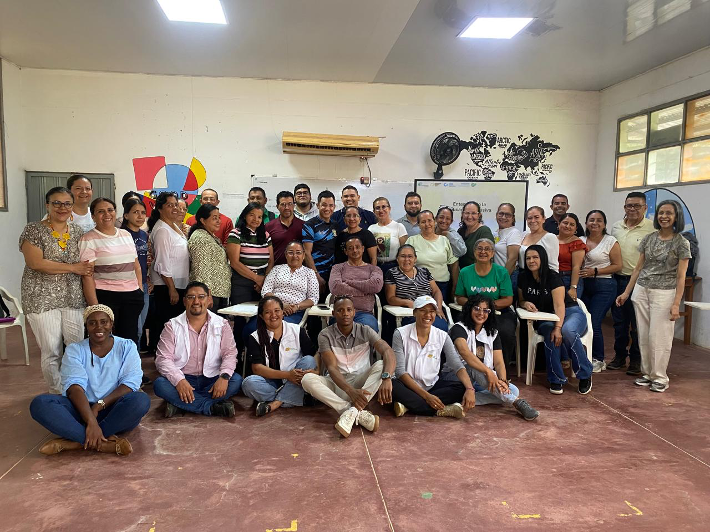
As part of the Education Cannot Wait funded and IDA-Inclusion International implemented project “Accelerating equitable inclusive quality education in emergency situations for children and adolescents with disabilities,” Asdown Colombia recently conducted a series of transformative teacher training workshops. These sessions took place across three territories: Arauca, Chocó, and Nariño.
The goal was to strengthen teachers’ capacities to implement inclusive practices, introduce Universal Design for Learning (UDL), and shift the focus away from a student’s diagnosis to identifying and dismantling the barriers in their environment.
Here is a look at how teachers across Colombia are shifting paradigms and transforming their classrooms.
Arauca: Overcoming Fears and Redefining Success
In the rural community of La Esmeralda, Arauca, teachers face the constant stress of armed group conflicts and severe weather, yet they showed incredible dedication to attending the workshops. Initially, many teachers felt overwhelmed, believing they lacked the capacity to respond to diversity and often attributing learning difficulties solely to the students or their families.
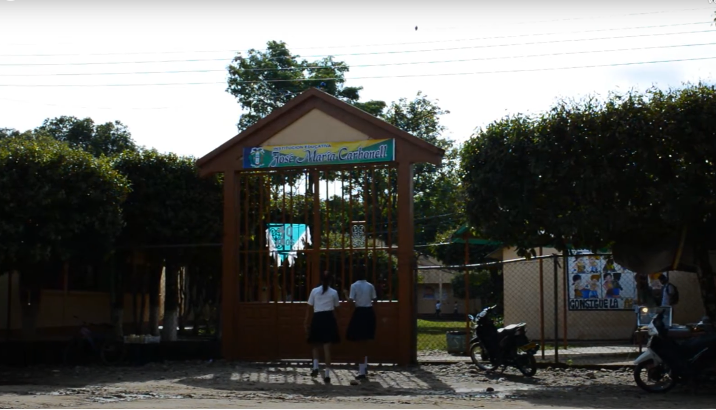
However, as they learned about multiple intelligences, learning styles and UDL, their attitudes shifted dramatically. They realized that inclusive education isn’t about “fixing” the student, but adapting the teaching methods.
I arrived with many doubts and fears because I felt I wasn’t doing well when I saw that the children weren’t reaching the same level as their classmates, but I now understand that it’s not about everyone reaching the same point, nor about them doing it in the same way.
Teacher, Arauca
A teacher noted the immediate practicality of the training: “I was surprised to realize that small changes in my teaching methods can greatly help everyone learn.”
Chocó: Finding Practical Solutions in Overcrowded Classrooms
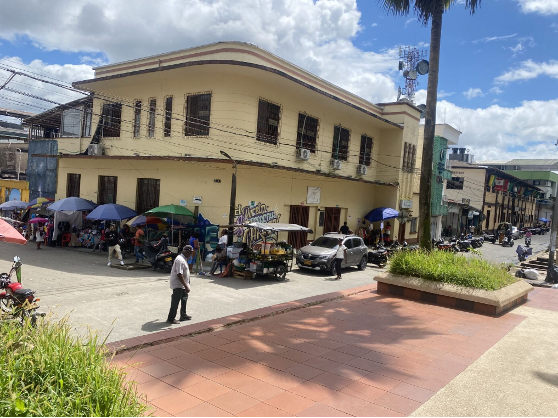
In Quibdó, Chocó, the educational landscape is marked by profound social inequalities, outdated infrastructure, and severe overcrowding, with some small classrooms holding up to 46 students. Initially, teachers showed resistance to the idea of “curricular flexibility,” and grade repetition was a common practice.
Through the workshops, teachers discovered how to offer multiple pathways for acquiring knowledge, realizing that accommodations could be woven into their everyday lessons. The training was heavily praised for providing actionable strategies rather than just abstract theory.
Teachers expressed immense gratitude for these new tools:
The training was excellent, as it gives us guidelines and tools to support a child with a disability… it is learning for real life. I am grateful because I was able to clear up many doubts about inclusion.

Nariño: Moving Past the Fear of “Lowering Standards”
In Tumaco, Nariño, a culturally rich region facing its own security and climate challenges, the host school had the highest number of students with disabilities in the area. Teachers initially voiced deep concerns about their heavy administrative burdens, a lack of specialized support, and fears regarding academic performance.
At the start of the workshop, their anxieties were clear: “I want to do well, but sometimes I feel like I don’t have enough time.”“If they don’t meet the requirements, how can we promote them?”
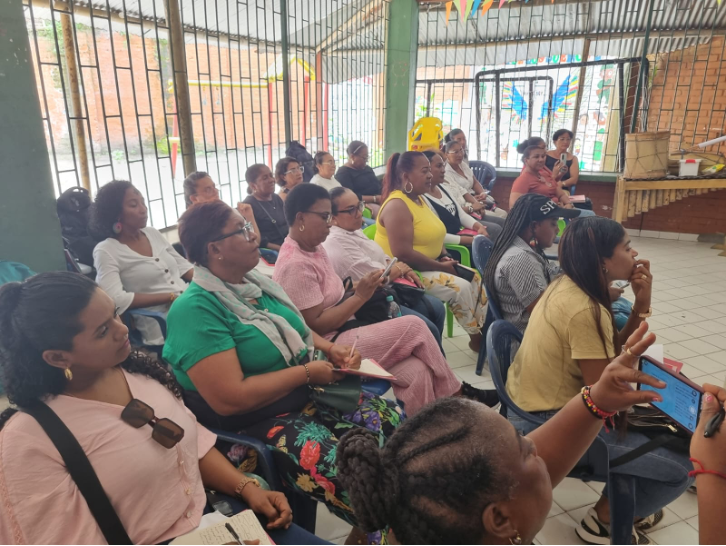
As the facilitators guided them through UDL and learning styles assessments, the teachers’ concerns gave way to enthusiasm. They learned how to look at the environment to provide pedagogical tools and change attitudes, rather than relying on the traditional model of grade repetition.
The community’s natural ability to incorporate songs, dances, and rhymes into the curriculum proved to be a massive asset for designing diverse, inclusive activities.
The workshops were so useful that on the second day, teachers chose to stay and continue learning instead of attending a union meeting, saying the training would help them better support their students.
Looking Ahead
Across all three territories, the training proved that when educators are given the right support, they can create profoundly inclusive environments, even in the most challenging emergency settings.
By shifting the focus from a diagnosis to the endless possibilities of flexible, inclusive teaching, Colombia’s educators are ensuring that every child has the opportunity to learn, participate, and thrive.