Blog
Making a board work for everyone: lessons from SPOON
- Inclusive participation & citizenship
SPOON is an organisation that works to end malnutrition for children with disabilities. Malnutrition means a child does not get the food their body needs to grow and stay healthy.
SPOON’s board is a good example of how to include everyone in making decisions. A board is the group of people who make the big decisions for an organisation. SPOON has changed how its board meetings run so that one of its newest members can take part fully.
Juan Cobeñas has recently joined SPOON’s board. He is Vice-President of Asociación Azul. Asociación Azul is our member in Argentina.
Juan uses AAC. AAC stands for augmentative and alternative communication. It means ways to communicate other than speaking.
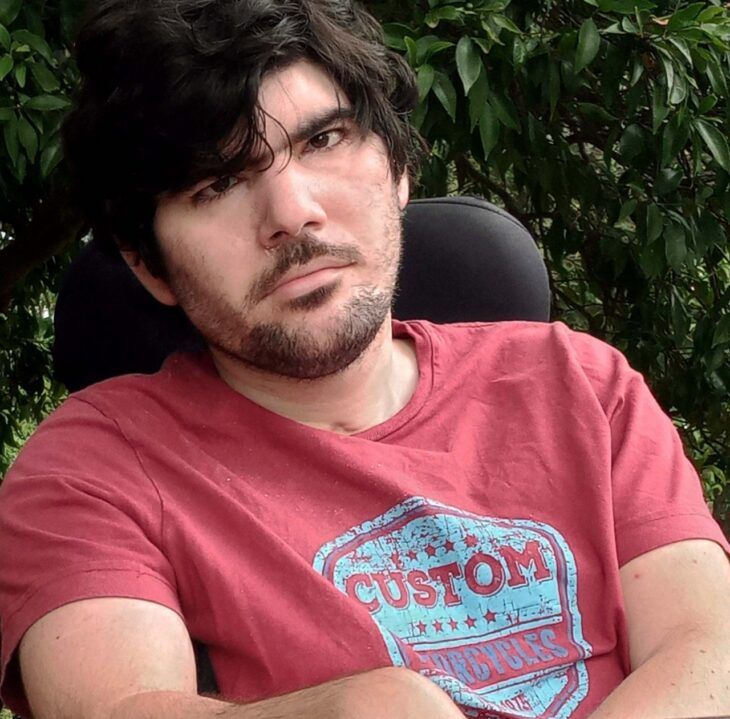
We asked Juan and SPOON how they make it work, and what other boards can learn from it. Mishelle Rudzinski answered for SPOON. She is one of the people who started SPOON, and she leads it today.
To learn more about including everyone in meetings, read Listen Include Respect. These are international guidelines on inclusive participation.
Why did SPOON ask Juan to join?
SPOON wants people with disabilities on its board, because its work is for children with disabilities. Mishelle said:
“When we heard Juan speak at a UNICEF event we knew he could bring an important perspective, deep knowledge, and critical connections to us.”
Juan said:
I wish to bring to the board my lived experience as an adult that as a child was very like the children that are the target of their actions. I wanted also to share my contribution on accessibility with the board and staff.
Juan Cobeñas, Vice President of Asociación Azul, SPOON Board Member
Accessibility means making sure everyone can use things and take part.
Juan’s role goes beyond board meetings.
He is part of SPOON’s working group on Diversity, Equity, Inclusion, Justice and Belonging. Juan said:
They ask me to provide information on the rights of persons with disabilities, the CRPD and accessibility. I have delivered trainings on good practices in disability.
Juan Cobeñas, Vice President of Asociación Azul, SPOON Board Member
The CRPD is the United Nations agreement on the rights of persons with disabilities. Mishelle says people liked Juan’s trainings very much.
Juan also gave SPOON guidance on Easy Read. Easy Read uses short sentences and pictures to make information easier to understand. SPOON now uses Easy Read for some of the things it shares with the public.
How does the board make it work for Juan?
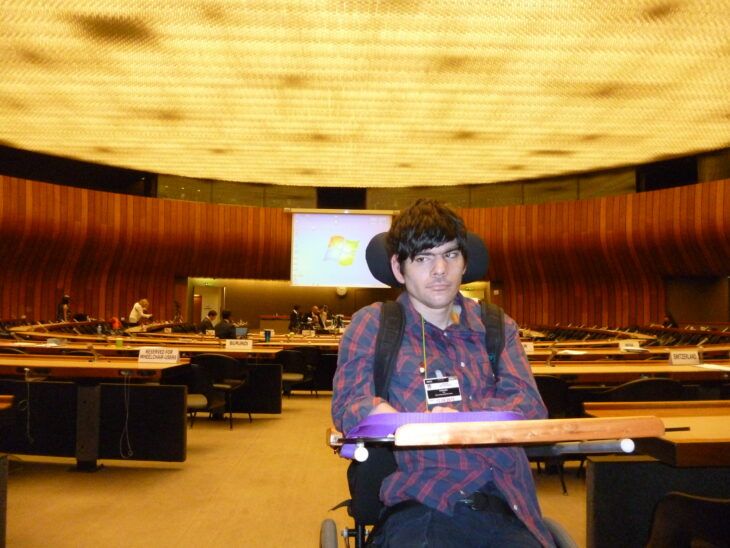
SPOON is in the United States. Juan lives in Argentina, so he takes part in board meetings online.
For Juan, it started with being asked. “They asked me from the beginning what my needs were,” he said. “They make efforts so that I can wholly participate.”
Now SPOON sends him papers and slides before each meeting. They describe pictures and charts when needed. Everyone says their name before they speak.
Juan always has his communication assistant with him. This is a person who supports him to communicate. SPOON also gives him more time to communicate.
Juan said:
They respect my time, I need more time to communicate.
Juan Cobeñas, Vice President of Asociación Azul, SPOON Board Member
Mishelle says these changes help everyone. When people say their name first, it helps people with visual impairments. It also helps new board members who do not know everyone yet, and the person taking notes.
The person who runs the meeting also helps. When Juan starts to use his AAC, she asks everyone else to stop and wait. All board members give Juan time to spell out his message.
Some board members had never talked with an AAC user before. Mishelle says it has been easy for them to learn, “because they value Juan’s input and want to hear what he’s going to say.”
What can other boards learn?
We asked Juan what has been hardest. He said there have not been any big problems. He said:
They have been very enthusiastic about adopting accessibility. They recognize the value of the contributions made by people with lived experience.
Juan Cobeñas, Vice President of Asociación Azul, SPOON Board Member
Mishelle says the chair is very important. The chair is the person who leads board meetings. The chair needs to learn how to include everyone. They should show others how to do it, and step in when someone is being left out. The chair also needs to know the right words to use.
Other boards can do the same things:
- Ask new members what they need, from day one.
- Send papers and slides before meetings.
- Say your name before you speak.
- Describe pictures, charts and slides.
- Give people time, and wait when someone starts to communicate.
- Make sure the chair knows how to include everyone.
To learn more about including everyone in meetings, read Listen Include Respect. These are international guidelines on inclusive participation.