Blog
Reflections from New Brunswick: Global Perspectives on Inclusive Education
- Inclusive education
- The Americas
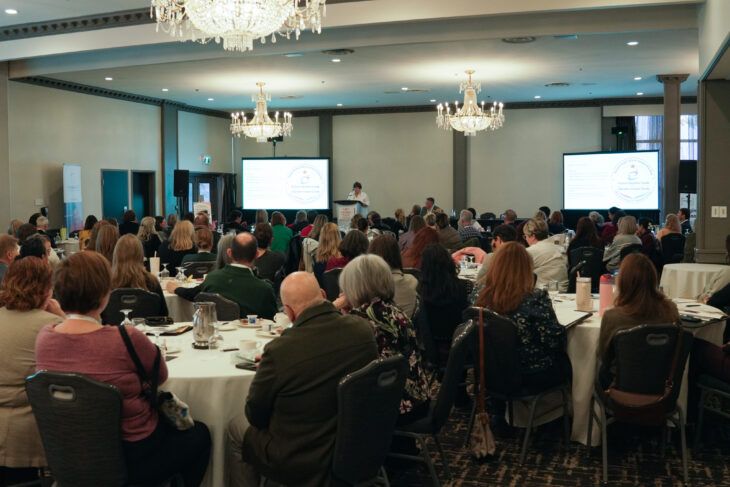
Inclusion International attended the National Round Table on Inclusive Education in Fredericton, New Brunswick, Canada, where New Brunswick marked 40 years of inclusive education.
Held on October 13–15, 2026, this event brought together educators, advocates, researchers, and government leaders from across Canada and around the world.
About Inclusive Education in New Brunswick
New Brunswick is known in Canada and around the world as a pioneer of inclusive education. In June 1986, the province passed a law, Bill 85, that committed to educating all students together in their neighbourhood public schools and closing segregated schools.
In 2013, Policy 322 made this stronger, following the Porter/AuCoin report.
The event celebrated this progress, and Premier Susan Holt renewed her promise that every student will have an equal chance to learn, grow, succeed, and belong.
A global perspective
A key theme was international solidarity and working together.
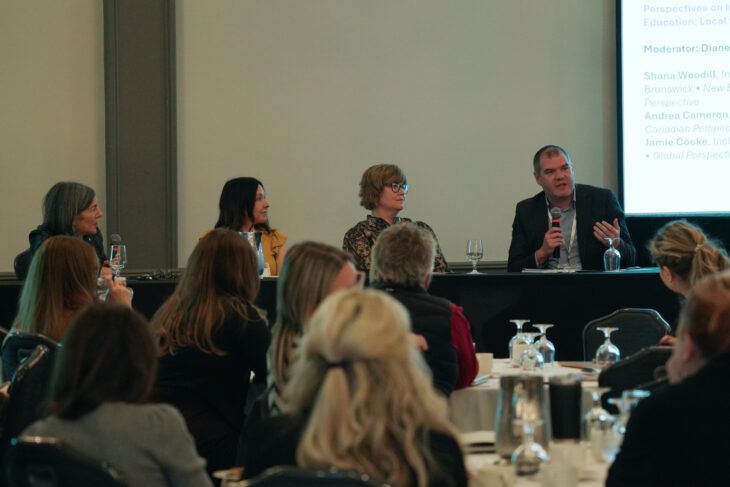
Speaking in several sessions, Inclusion International Executive Director Jamie Cooke reminded attendees that whether you are a teacher navigating classroom pressures, a family advocating for your child, or a policymaker pushing for change, you are not alone. We are part of a global community working toward the same goal.
Jamie also said our responsibility goes beyond helping children “get through” school.
We must build learning environments where every student can thrive, live a full life, and belong in their community.
Dr João Costa, Director of the European Agency for Special Needs and Inclusive Education, also spoke.
As Portugal’s former Minister of Education, he explained how the country built a more inclusive education system. He also presented the Agency’s new Ten Pillars Shaping the Future of Inclusive Education, a guide to help countries make their schools more inclusive.
The Seven Core Themes
Discussions at the Round Table focused on seven themes:
- Inclusive Education as a Human Right and Public Policy Commitment: How laws such as the UN Convention on the Rights of Persons with Disabilities make inclusion a right, not an optional extra.
- Building and Sustaining Inclusive Education Systems: The funding and structures needed to support neighbourhood schools and rely less on segregated schools.
- School Leadership for Inclusive Education: How principals and other school leaders build an inclusive culture.
- Teachers and School-Based Support Systems: Practical, reliable support for teachers, such as collaborative teams and specialists based in schools.
- Inclusive Classroom Practice and Professional Capacity: Teacher training at every career stage, and practical ways to teach inclusively every day.
- Families and Students as Partners in Inclusive Education: Real partnership, shared decision-making, and trauma-informed approaches to build trust between home and school.
- Transitions and Inclusive Post-Secondary Education: Moving into adult life, with more opportunities for lifelong learning, inclusive higher education, and meaningful employment.
Looking ahead
Real inclusion takes trust, collaboration, and shared responsibility at local and global level.
We look forward to bringing what we learned into the work of our Catalyst for Inclusive Education, as we keep supporting our members around the world to push for change.
Inclusive Education Canada will publish an outcome document from the event. We will share it here as soon as it is published!